
Social Media SEO
Social Media Trends in India
The social media trends in India operates differently from other places in the world. With more than 750,000 active users The platforms in India aren’t just a means of communication. They are entertainment hubs, marketplaces news outlets, news sources, and community centers all wrapped up into one.
The same formula that worked last year doesn’t be enough anymore. Indian users are becoming smarter they are more mindful, selective, and demanding. They seek content that is in their language, comprehends their needs, and offers genuine value. Brands who treat India as a merely another market could be lost in the chaos.
In 2026, the changes happening throughout Indian digital media is huge. Regional languages are growing rapidly. Videos aren’t only for entertainment, they are also how people purchase, educate and make their decisions. Influencers from Tier-2 and Tier-3 cities are shaping the definition of authenticity. And AI is altering the game for all of us.
If you’re hoping for your company to be successful with India next year it is essential to be aware of these social media trends in India and take action fast. The competition is intense and the public is adamant. However, the potential? Absolutely enormous.
In this article we will break down the trends in social media in India which will be the defining factor in 2026. We also show you how you can leverage them.
Key Takeaways
- Content from regional languages is no longer a requirement. Hindi, Tamil, Telugu, Bengali, and many more languages drive the bulk of the engagement across different platforms.
- Tier-2 and Tier-3 cities are the emerging market for growth. Users from smaller cities are more active and spend more time on social media platforms and trust influencers from their local communities.
- The popularity of social commerce has been growing more quickly in India than any other country. People are discovering new products, receiving suggestions, and purchasing without having to leave Instagram and WhatsApp.
- Short-form video continues be the dominant format, but the format is changing to include educational, product demonstrations and local storytelling, rather than just dancing trends.
- WhatsApp is fast becoming a vital marketer platform. From customer service to catalogues of products, companies are making use of WhatsApp to boost conversions on a large.
- Marketing by influencers is moving towards micro and nano-creators. Authenticity matters more than followers, and this is especially true in the regional market.
- AI tools can help companies to scale their personal content across multiple languages without losing human contact.
- Community-driven engagement is superior to broadcast messages. Indians want conversations and not a one-way promotion of brands.
Regional Language Content Is Taking Over
English could be the business language however it’s not the primary language used by india’s popular social networks. The rapid growth of social media in india , users is taking place across Hindi, Tamil, Telugu, Marathi, Bengali, Kannada and many other languages spoken in the region.
Platforms have noticed this shift. Facebook, Instagram YouTube, Facebook, and even LinkedIn are seeing greater participation in content that is regional as compared to English. People feel more connected when brands are speaking in their native language. It’s like a personal connection, a sense of belonging, and reliable.
For companies this is a sign of one thing: if create content solely in English you’re not reaching the majority of your audience. The brands that are thriving right now are those that create different variations of the content that are tailored to distinct different communities of linguistics. It’s more than just translation; it’s adapting to the culture.
Tier-2 and Tier-3 Cities Are Driving Growth
The next generation of social media users in India isn’t being gathered directly from Mumbai, Delhi, or Bangalore. They’re being gathered via Indore, Lucknow, Coimbatore, Jaipur, and hundreds of towns and cities across the country.
The users they interact with are different. They are more active on social media platforms, they interact more deeply with the content and they rely on recommendations from those who look and sound similar to their own. They are less disenchanted with advertisements and are more inclined to experiment with new brands when the messages are believable.
The audience is looking for content that reflect their own reality. Local events, local humour everyday challenges that are relatable, and influential personalities from their local cities. Generic national campaigns don’t resonate. Local, local-focused content that is focused on communities does.
Social Commerce Is Exploding Across India
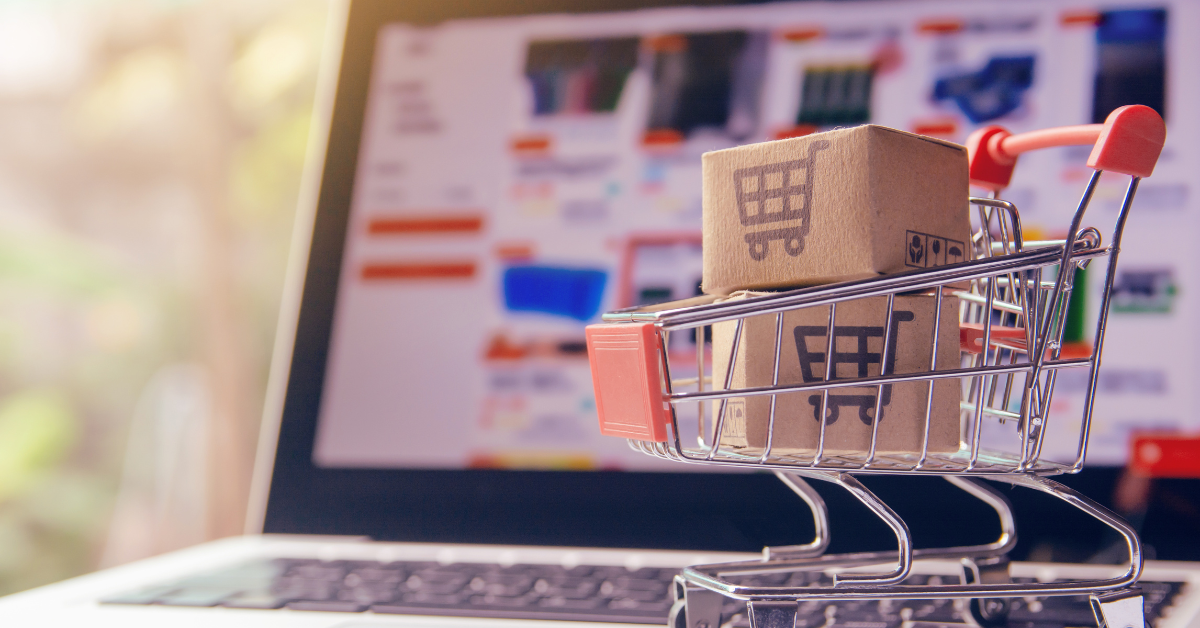
Indians aren’t just scrolling through social media no more. They are also buying. Social commerce, the ability to find the best, compare, and buy items directly on social platforms — is expanding more quickly in India than nearly anywhere else.
Instagram Shopping Facebook Shops, WhatsApp Business catalogues and even YouTube’s Shopping features are now the primary channels for sales. Customers can view a product on a reel, look up review comments section, ask questions through DM and then complete the purchase without having to leave the application.
For companies, this shift implies that your social media content has to be more than just building awareness. It should drive transactions. Clear product showcases, clear pricing, swift responses to questions and seamless checkout experience are no longer just nice to have attributes. They’re table stakes.
The most successful brands are those who treat social media platforms as full-funnel marketing channels, not only top-of-the-funnel awareness tools.
Short-Form Video Is Evolving Beyond Entertainment
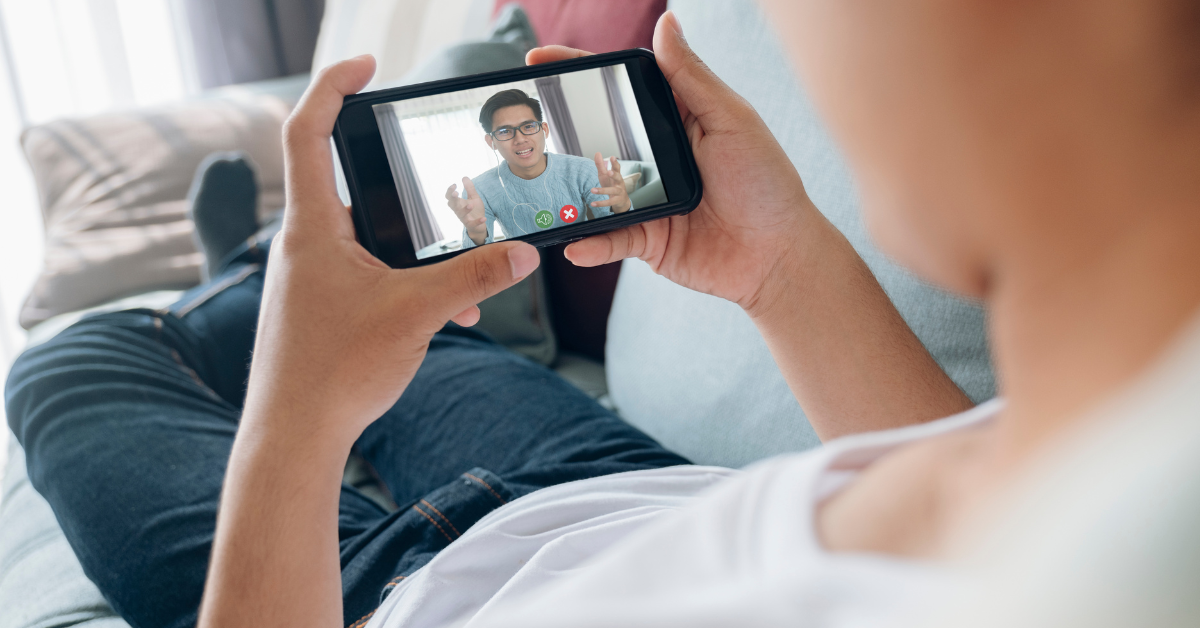
Short-form video is still the most popular form of entertainment in India However, the reasons why people watch it have changed. Sure, entertainment is still a factor. In the present, people are turning toward Instagram Reels YouTube Shorts, and other formats for short videos to gain new techniques, evaluate products, learn quick tips and make purchasing decisions.
A 30-second video that demonstrates the proper use of a cosmetics product is more engaging than a polished ad. A brief comparison video between two phones influences purchase choices more than a specification sheet. The behind-the-scenes of a local restaurant’s cooking reel is more trustworthy than professional photography.
The opportunities here are huge. Companies that make use of short videos to inform, show worth, and address genuine questions will achieve greater results than those who chase trending viral videos with little substance.
WhatsApp Is a Full Marketing Channel Now
For the majority of Indian customers, WhatsApp is not just an app for messaging. It’s also where they receive assistance from a customer service representative, browse through catalogues of products, get notifications on their orders as well as join community groups and even pay for purchases.
Innovative brands are taking advantage of WhatsApp Business features to create intimate, personal relationships with their customers. They’re making use of broadcast lists to announce announcements, catalogues to aid in product search, auto-response to frequently asked questions, and status updates to promote new launches or flash sales.
The conversion rates of WhatsApp generally beat email, and, sometimes, beat ads that are paid for. Why? Because it feels like a personal conversation. It’s personal, quick and takes place in a setting that where users are already comfortable.
If your company isn’t making use of WhatsApp as an advertising and sales channel in India You are putting money in the sand.
Influencer Marketing Is Going Hyper-Local
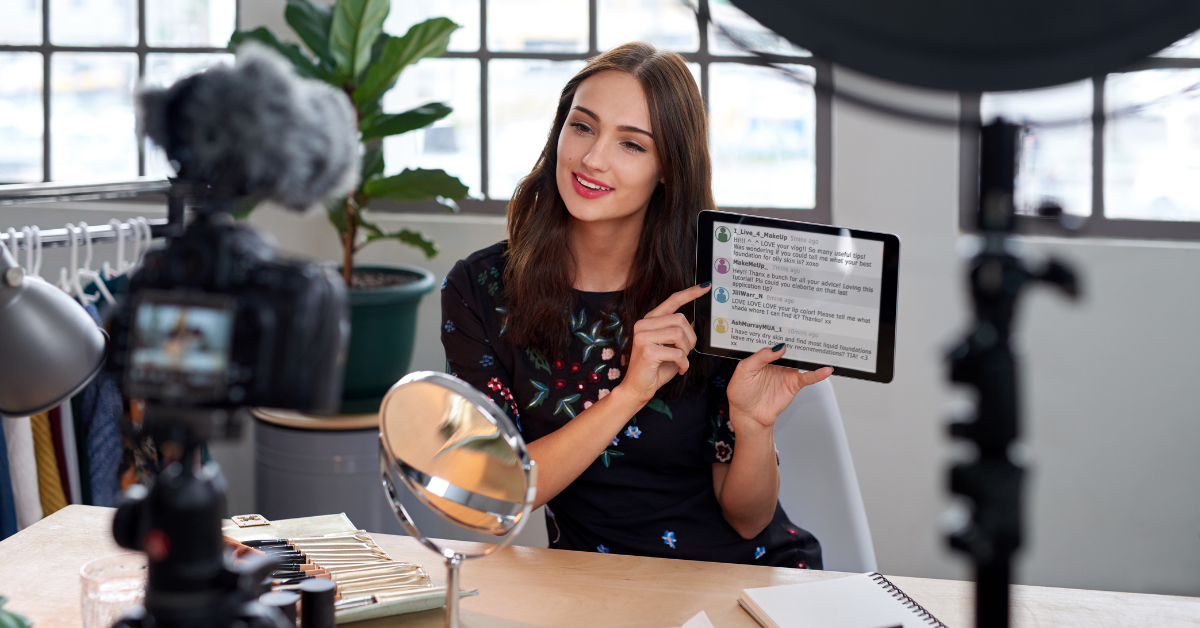
The age of the mega influencer is in decline. Companies are recognizing that a brand with 5,000 followers who are engaged in Pune has better results than a celeb having 5 million people following who have not used the product.
Micro and nano influencers–especially those creating content in regional languages and representing smaller cities–are seeing massive brand interest. They are respected by their audiences, their recommendations are authentic, and their costs are much more affordable.
For companies, this means reconsidering the influencer strategy. Instead of one large campaign that has one major name, you could consider collaboration with 50 small influencers from different languages and regions. The reach could appear similar but rate of trust and conversion will be substantially higher.
AI Is Helping Brands Scale Without Losing the Human Touch
Indian companies use AI to develop content faster to create content, translate messages into various languages, study patterns of engagement and customize user experiences in a massive way. AI is eliminating the bottlenecks that slow groups of social media.
However, here’s the secret to the most successful results: they occur when AI does the repetitive work while humans concentrate on strategy, imagination and genuine connection. AI can create a caption in Tamil however, humans need to ensure it’s natural. AI will analyse which articles are most effective however a human has to decide what to do with that information.
The companies that are winning are ones that use AI as an aid, not an alternative to the creative process.
Community Engagement Beats Follower Counts
Indian Social media enthusiasts worry less about the number of followers a brand has, and more about whether or not the company actually interacts with its followers. Comments sections, DMs, community groups and content created by users are important more than ever before.
Brands that take the time to respond to feedback or stories of customers and create spaces for dialogue and really listen to feedback are creating trust that leads to the long-term success. Indians are looking to be heard and not be marketed to.
This involves switching the broadcasting mode into conversation. Ask questions. Run polls. Send customer testimonials. Respond to all comments even the most critical. Make sure your followers know that they are the real owners of your business.
Platform Preferences Vary by Age and Region
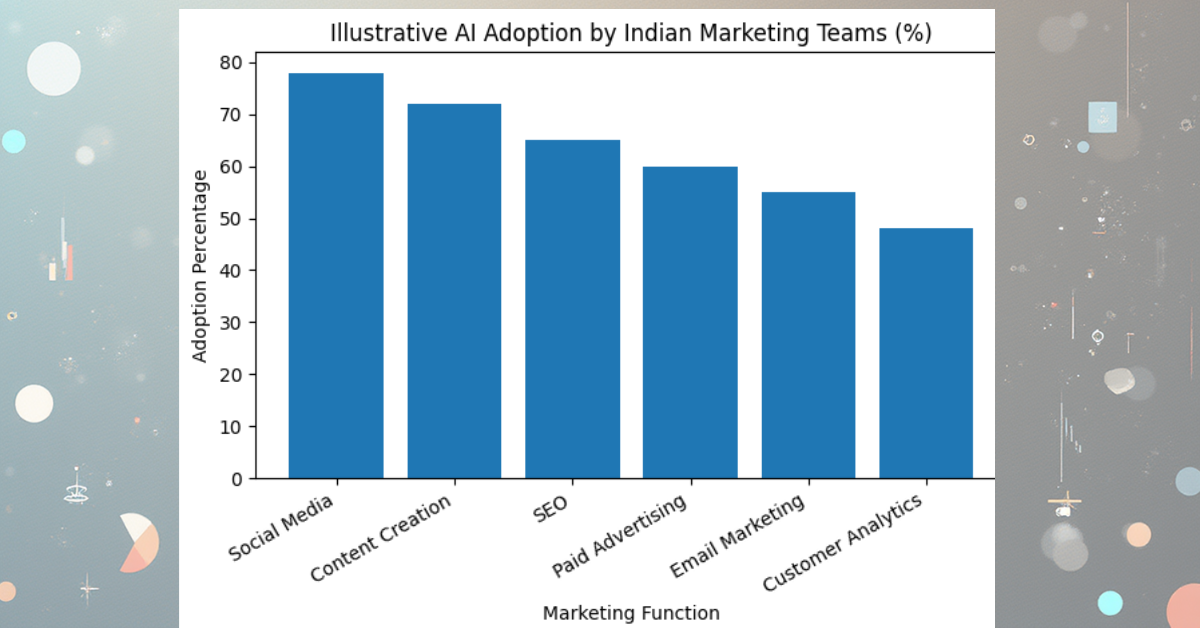
There isn’t a consensus that everyone in India makes use of social media exactly the same way. The younger users in metros may choose Instagram or YouTube. People living in smaller cities may prefer Facebook or WhatsApp. Local preferences are a major factor.
This is why you shouldn’t depend on a standard approach that works for everyone. Your tone, content and format, as well as the mix of platforms must be adapted to the specific audience you’re trying to connect with.
Test different approaches across different platforms. Find out what works best on which platforms. Make sure you are ready to pivot fast as you see patterns.
Conclusion
The social media trends in India are advancing rapidly and those brands that are quick to adapt can profit from the enormous opportunities ahead. The days of thinking of India as an individual market that has the same strategy and language are long gone.
In 2026, winning is being local, regional and involving deeply into the communities. This means making content that feels authentic, not corporate. It’s about using WhatsApp in the same way you do Instagram. It’s about working with creators who understand your audience, not only those who have the most number of followers.
It is said that the Indian users of social media are highly sophisticated demanding, discerning, and extremely active. Make sure they have content that is worth their time, use their dialect, and establish genuine relationships. They will be rewarded with loyalty and increase.
The potential in India’s social media market is huge. But it’s only for brands who are willing to take the initiative to understand the nuances and appreciate the diversity of this huge market.
This is the right time to reconsider your strategy on social media to be more relevant to India. The companies that are moving today will lead the conversation, while the rest of us are still trying to figure how to play the game.
Are you ready to rule the social world in India? Our team is experienced in implementing regional-specific content strategy , data-driven social media campaigns which actually produce results. Let’s discuss your goals.

1 Comment