

Social Media SEO
Imagine watching a reel twice.
You don’t like it.
You don’t comment.
You don’t share it.
Yet somehow, Instagram learns something significant from that moment.
That’s because some of the most valuable signals on social media are not those users actively provide. They are the small actions people may not even be aware of leaving behind.
These signals could shape the future of content, influence consumer behavior, and change how AI technology drives social media experiences. https://www.ibm.com/think/topics/artificial-intelligence
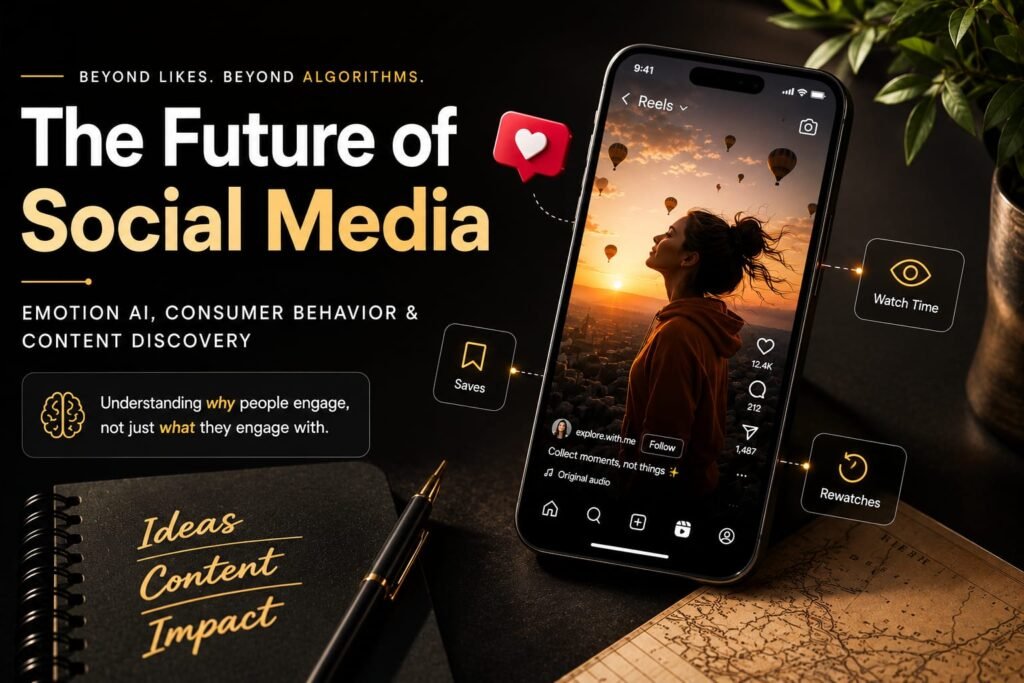
The future of content discovery may be driven by emotional signals, watch time, rewatches, saves, and deeper behavioral patterns. Understanding people—not just algorithms—could become the next competitive advantage.
Humans Aren’t Hashtags
For years, algorithms have depended on keywords, hashtags, and categories to understand content.
A post about fitness gets shown to people interested in fitness.
A travel video gets shown to those interested in travel.
Simple.
But people don’t react to content because of categories.
They react because of emotions.
Curiosity.
Surprise.
Excitement.
Suspense.
Inspiration.
These emotions often decide whether someone keeps scrolling or remains engaged.
Two people can watch the exact same video and have completely different reactions. One scrolls away after two seconds. The other watches until the end and sends it with a friend.
The content is the same.
The emotion is not.
As social media trends keep changing, platforms are becoming more interested in understanding the emotional factors that drive consumer behavior. https://en.wikipedia.org/wiki/Consumer_behaviour

The answer often isn’t information—it’s emotion.
The content people remember most isn’t always the most detailed. It’s the content that makes them feel something.
The Most Valuable Signals Are Often Invisible
Most content creators focus on visible metrics:
- Likes
- Comments
- Shares
- Followers
But platforms notice much more.
Watch time.
Rewatches.
Saves.
Scrolling behavior.
These actions reveal what really drew attention.
In fact, a rewatch or a save can sometimes tell a platform more than a like.
Why?
Because they usually show a stronger level of interest and deeper engagement.
A person might like a post out of habit.
But watching something twice usually means it made them stop and think.
Modern analytics systems are getting better at noticing these behavioral signals and understanding what resonates with an audience.
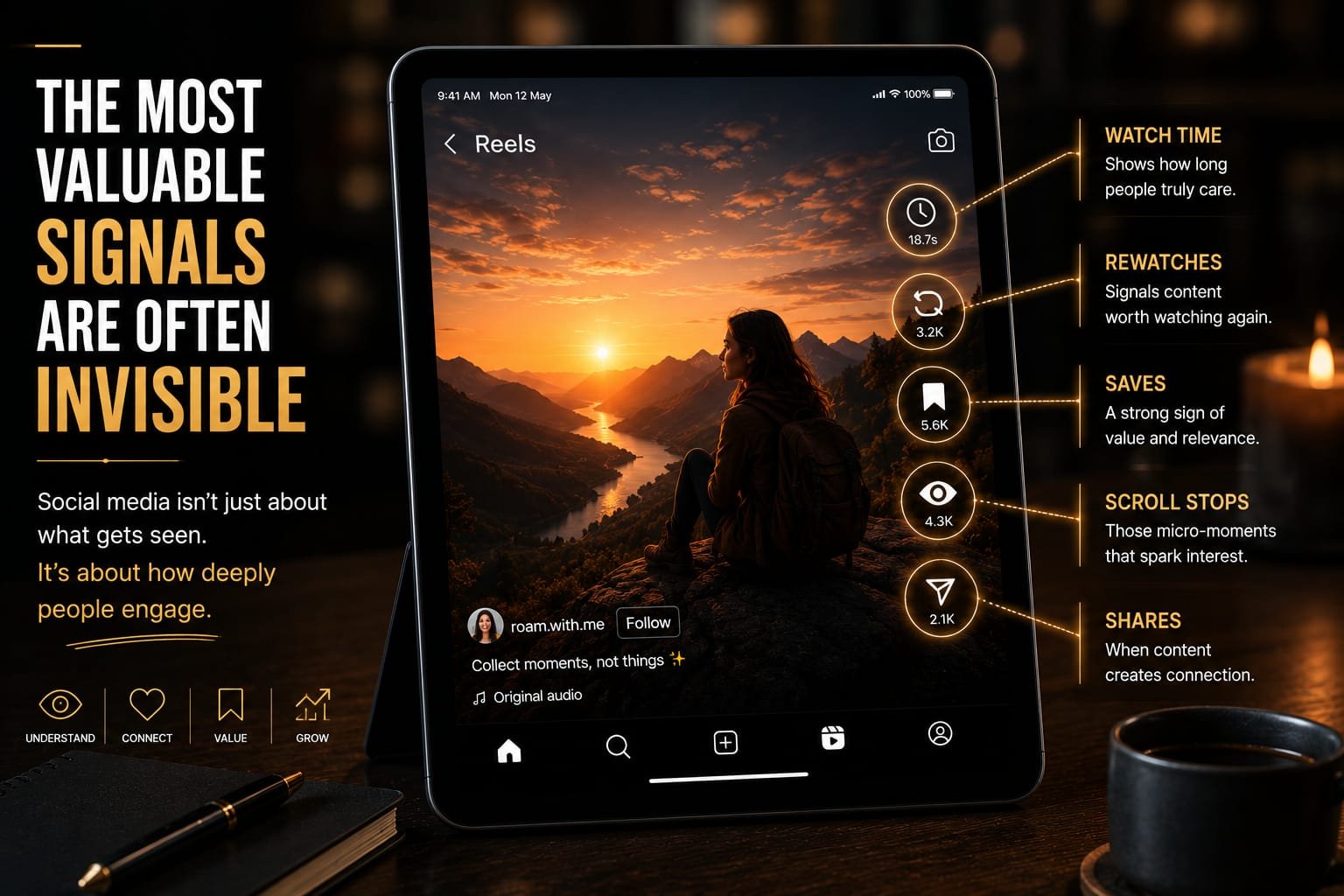
The signals that matter most often aren’t.
Watch time. Saves. Rewatches. Scroll stops.
These invisible actions reveal what truly captures attention—and may shape the future of content discovery.
The Next Step May Be Understanding Why
Today’s algorithms already excel at spotting patterns.
They know what people watch.
What they ignore.
What they save.
What keeps them engaged.
But the next evolution may involve understanding why those patterns occur.
Not just:
“This video was watched twice.”
But:
“This video created curiosity.”
Not just:
“People stayed until the end.”
But:
“Something about this content kept them emotionally engaged.”
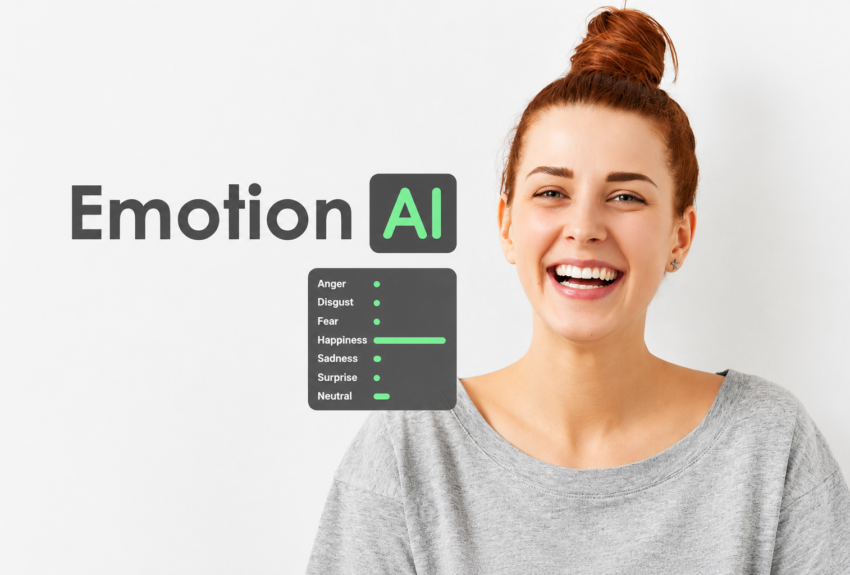
That’s where Emotion AI becomes interesting.
Instead of only measuring behavior alone, future systems may improve at identifying the emotional signals behind that behavior.
This represents one of the most exciting AI trends shaping the future of AI.
Instead of simply analyzing actions, platforms may begin exploring the connection between consumer behavior, consumer psychology, and emotional responses in content discovery.
The result could be a new level of personalization, where recommendations are shaped not only by interests but also by emotional reactions. https://en.wikipedia.org/wiki/Personalization
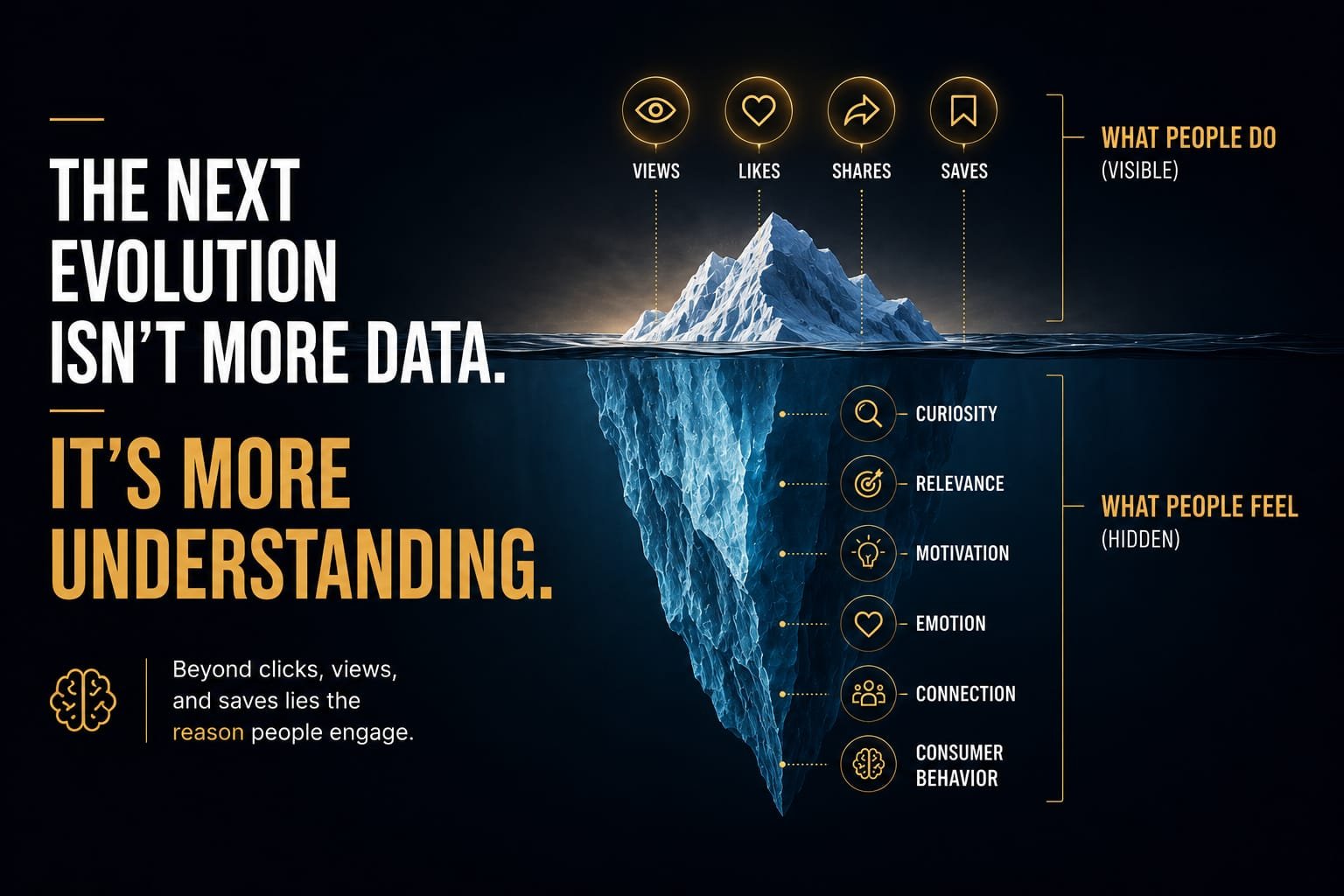
The bigger question is why they do it.
The future of content discovery may not be about collecting more data—it may be about understanding the emotions and motivations behind it.
Why This Matters For Creators
For years, content strategy has focused on discoverability.
Keywords.
SEO.
Hashtags.
Optimization.
These aspects still matter.
But understanding consumer behavior may become just as critical as understanding keywords and algorithms.
A bigger question may arise:
How does this content make people feel?
Because if platforms grt better at recognizing emotional patterns, then emotional impact becomes a signal—not just a creative goal.
Creators who understand curiosity, surprise, tension, and storytelling may have a significant advantage.
Not because they’re tricking the algorithm.
But because they’re making content people genuinely connect with.
Whether it’s articles, videos, or reels, creators who understand people may surpass those who focus only on algorithms.
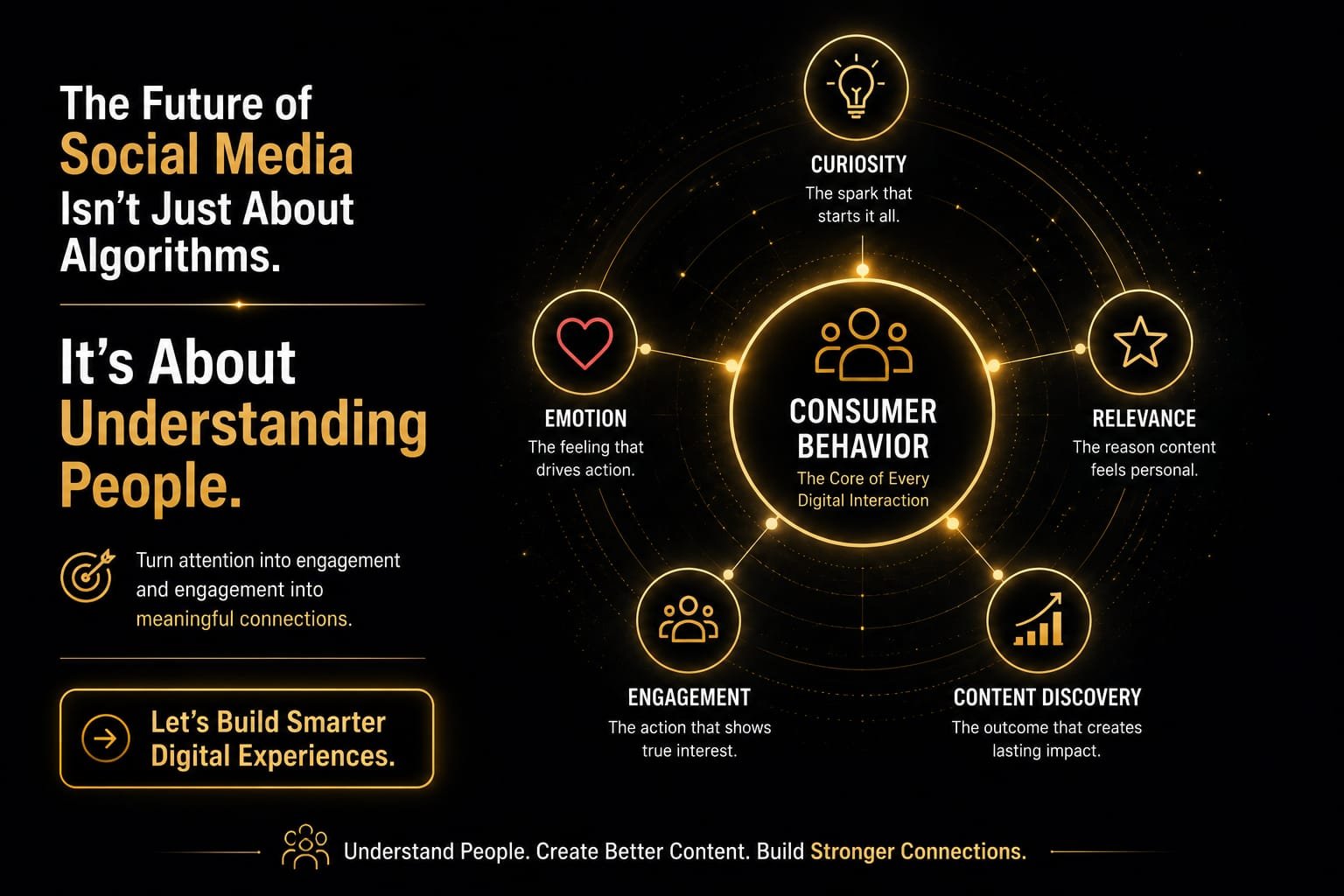
It may belong to those who understand people best.
Because behind every click, save, share, and view is something deeper: human behavior.
Final Thought
Social media platforms have spent years figuring out what people watch.
The next chapter may involve learning why they watch it.
If that happens, the creators who succeed won’t necessarily be the ones who understand algorithms best.
They’ll be the ones who best understand consumer behavior, emotions, and audience motivations.
As AI marketing continues to evolve, businesses and creators may need to think beyond clicks, likes, and views.
Understanding consumer behavior and consumer psychology could become just as important as understanding algorithms.
Because technology changes constantly.
Human emotions do not.
Understanding those emotions may become one of the most important uses of AI technology in the future.
The brands that succeed may not just follow the latest algorithms or social media trends.
They may be the ones that best understand their audience, embrace honest storytelling, and recognize the emotional drivers behind consumer behavior and decision-making.
https://vagmiinfotech.com/why-ai-content-creation-fatigue-is-changing-marketing/